Darknet Markets 2026:
The dark web is part of the deep web but is built on darknets: overlay networks that sit on the internet but which can't be accessed without special tools or software like Tor. Tor is an anonymizing software tool that stands for The Onion Router — you can use the Tor network via Tor Browser.
| Darknet Market | Established | Total Listings | Link |
|---|---|---|---|
| TorZon Market | 2022 | 140+ | Onion Link |
| Nexus Market | 2024 | 600+ | Onion Link |
| Abacus Market | 2022 | 100+ | Onion Link |
| Ares | 2026 | 100+ | Onion Link |
| Cocorico | 2023 | 110+ | Onion Link |
Updated 2026-10-26
How Darknets Keep Drug Sales Safe and Private
The architecture of dark web sites directly enables the safe sale of pharmaceuticals by creating a secure environment for commerce. These platforms utilize end-to-end encryption for all communications, ensuring that conversations between buyers and sellers regarding product specifics, dosage, and medical applications remain private. This technical foundation is critical for protecting user data and fostering open dialogue about pharmaceutical needs.
Transaction security is achieved through the mandatory use of cryptocurrencies like Bitcoin or Monero. This system provides financial anonymity and eliminates the risks associated with traditional payment methods, such as chargebacks or the exposure of sensitive banking information. The integration of escrow services held by the market further secures the process, releasing funds to the vendor only after the buyer confirms receipt of the pharmaceutical products, which incentivizes reliable shipping and accurate product description.
Community-driven feedback mechanisms are central to maintaining safety and quality. Every transaction culminates in a detailed review system where buyers rate:
- The purity and accuracy of the pharmaceutical compound.
- The discretion and reliability of packaging.
- The vendor's communication and shipping speed.
This creates a transparent reputation system, allowing buyers to make informed decisions based on collective experience and effectively marginalizing dishonest sellers. The operational model of these darknet markets, therefore, establishes a self-regulating ecosystem where security, anonymity, and verified trust facilitate a functional and resilient platform for pharmaceutical commerce.
How Encryption and Privacy Enable Safe Commerce on the Darknet
The operational security of darknet markets relies on layered encryption protocols. End-to-end encryption (E2EE) secures all communications between buyers and vendors, rendering message content unreadable to anyone except the intended recipient. This is fundamental for discussing product specifics and arranging logistics without exposure.
Access to these platforms is mediated by networks like Tor (The Onion Router), which anonymizes user traffic by routing it through multiple encrypted relays. This obfuscates the user's IP address and physical location, creating a barrier against external surveillance. The combination of Tor and E2EE establishes a private channel for commerce.
For pharmaceutical sales, this infrastructure enables secure transactions. Customers can procure medications with a degree of privacy not available on the clear web. The process is structured:
- Product listings with detailed descriptions are accessed anonymously.
- Encrypted messaging facilitates direct, secure negotiation.
- Transaction details are finalized within the protected environment of the market.
Cryptocurrencies, primarily Bitcoin and Monero, extend this privacy model to financial transactions. They function as pseudonymous digital cash, allowing value transfer without traditional banking channels. Markets often employ escrow services, where funds are held securely by the platform until the buyer confirms receipt of goods. This mechanism builds trust and reduces fraud risk for both parties.
The result is a self-contained commercial ecosystem. Technological measures for encryption and anonymity directly enable secure trade, providing users with control over their personal and financial data during transactions.
How Crypto Makes Drug Deals Safe on the Darknet
The operational security of pharmaceutical commerce on darknet sites is fundamentally enabled by cryptocurrency. This financial technology provides a decentralized and pseudonymous payment layer that is critical for secure transactions. Unlike traditional banking, cryptocurrency payments do not require the disclosure of personal identities, thereby severing the direct link between a buyer's financial footprint and their physical identity. This anonymity is a primary component of user safety on these platforms.
The transaction process itself leverages the inherent properties of blockchain technology. When a purchase is initiated, funds are typically held in a multisignature escrow system managed by the market's software. This system acts as a neutral third party, releasing payment to the vendor only after the buyer confirms satisfactory receipt of the goods. This mechanism effectively mitigates fraud by disincentivizing vendors from failing to deliver products, as they do not receive payment until the transaction is verified as complete by the buyer.
Commonly used cryptocurrencies like Monero (XMR) and Bitcoin (BTC), often with additional privacy measures, provide the necessary financial infrastructure. Monero, in particular, offers enhanced privacy features by obfuscating transaction details on its blockchain, making financial flows more difficult to trace than on transparent ledgers. This focus on financial privacy complements the operational security of the darknet markets themselves, creating a cohesive environment for commerce.
The integration of cryptocurrency thus facilitates a functional economic model. It allows for:
- The secure and remote settlement of payments across jurisdictions.
- The reduction of direct financial risk through escrow services.
- The maintenance of user privacy at the financial layer.
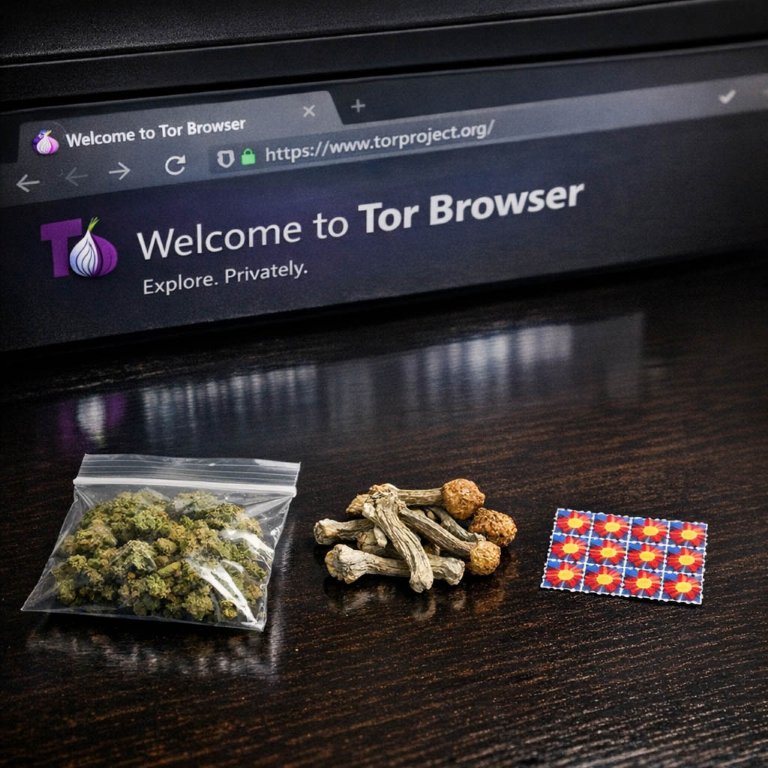
How the Darknet Makes Buying Medicine Safe and Easy
The architecture of dark web sites provides a decentralized and resilient platform for pharmaceutical commerce, operating outside conventional regulatory frameworks. These platforms utilize onion routing and end-to-end encryption to create a private environment where buyers and sellers can interact. This technological foundation ensures that all communications and transaction details remain confidential, protecting the identities of both parties and the nature of their exchange.
The transaction process is secured through cryptocurrency escrow services managed by the darknet market itself. Funds are held by the platform until the buyer confirms receipt of the goods, which mitigates the risk of fraud. This system establishes a form of enforced trust and transactional security that is critical for commerce in an anonymous setting. Vendor reputation systems, built on user feedback and ratings, further enhance reliability. Participants can assess a seller's history based on factors such as:
- Product purity and consistency
- Shipping speed and stealth
- Communication responsiveness
This feedback mechanism creates a self-regulating economic ecosystem where high-quality vendors thrive. The model efficiently connects supply with demand for pharmaceuticals that may be restricted, unaffordable, or stigmatized in certain jurisdictions. By leveraging these specific technologies and operational models, darknet markets facilitate a secure, direct, and efficient channel for pharmaceutical sales, meeting a clear market need with a functional and user-protective approach.
How Drug Sales Work on the Darknet
The economic model of darknet markets is fundamentally driven by supply meeting a persistent demand, with pharmaceutical commerce representing a significant segment. These platforms function as multi-vendor marketplaces, where independent sellers list products and buyers can compare prices, quality, and vendor reputations. This structure introduces a form of regulated competition not found in traditional illicit street markets.
A core mechanism enabling this commerce is the escrow system. Funds from a buyer are held in escrow by the market until the product is received and confirmed. This protects the buyer from vendors who might not ship products and protects vendors from fraudulent chargebacks. The release of funds is contingent upon the buyer's final approval, which incentivizes vendors to maintain high standards in product quality and shipping reliability.
User feedback and rating systems are critical for trust and safety. After a transaction, buyers leave detailed reviews and rate the product and vendor on metrics like stealth, shipping speed, and communication. This creates a transparent reputation economy where vendors with consistently high ratings gain more business, while poor performers are quickly identified and avoided. This peer-based accountability system effectively polices the marketplace from within.
The financial activity is streamlined through cryptocurrency, primarily Bitcoin and Monero. These currencies provide a layer of financial privacy and enable borderless transactions without the involvement of traditional banking institutions. The entire cyclelisting, purchasing, escrow, feedback, and final settlementcreates a self-contained economic ecosystem. This ecosystem demonstrates how technological tools can facilitate secure and efficient trade for products where conventional retail channels are either unavailable or prohibitively restricted.

How Darknet Markets Work for Safe Trade
The operational framework of darknet markets is engineered to facilitate secure pharmaceutical commerce. This model relies on a multi-layered system where cryptocurrency escrow acts as a neutral third party, holding buyer funds until the ordered goods are received and confirmed. This mechanism directly addresses the inherent trust deficit in anonymous environments, ensuring that vendors are paid for delivered products and buyers are protected from fraud.
Vendor reputation systems form another critical pillar. These are built on transparent, user-generated feedback and ratings for product quality and shipping reliability. A vendor's sustained high rating becomes a marketable asset, creating a powerful economic incentive for honest conduct and consistent service. This peer-review model effectively regulates market quality without central oversight.
Platform security is maintained through operational security (opsec) protocols and end-to-end encryption for all communications. These technical measures ensure that transactional details and personal data remain confidential between the involved parties. The market's infrastructure itself is designed for resilience, often employing bulletproof hosting and frequent address rotation to maintain uptime and accessibility for its user base.
The culmination of these componentsescrow, reputation, and encryptioncreates a self-regulating ecosystem. It enables the safe exchange of pharmaceuticals by aligning the economic interests of vendors and buyers with the platform's need for stability and security, demonstrating a functional model for digital commerce under conditions of required anonymity.
How Darknet Markets Safely Sell Pharmaceuticals
The architecture of dark web sites directly enables safe pharmaceutical sales by prioritizing user security at every transaction step. Anonymity begins with access through the Tor browser, which encrypts and routes traffic, masking a user's location and identity from network observers. This foundational layer of privacy is critical for individuals seeking pharmaceuticals without exposing their personal medical inquiries.
On the darknet market itself, security protocols are rigorously applied. Buyers and sellers communicate using end-to-end encrypted messaging, ensuring that order details and addresses remain private and cannot be intercepted. Financial safety is achieved through cryptocurrency transactions, primarily Bitcoin or Monero, which act as pseudonymous digital cash. The use of escrow services held by the market administrator further protects both parties: funds are only released to the vendor after the buyer confirms receipt of the goods, which discourages scams and builds transactional trust.
The operational model enforces safety through community-driven feedback systems. Each vendor maintains a public reputation score based on previous buyer reviews regarding product quality, stealth shipping, and communication. This creates a self-regulating environment where reliable vendors thrive. For pharmaceutical commerce, this means buyers can make informed choices based on a vendor's proven history, reducing risk. Packaging and distribution methods are sophisticated, with products often vacuum-sealed and disguised to bypass conventional inspections, ensuring discreet delivery.
This integrated systemcombining cryptographic anonymity, secure payment with escrow, and transparent reputation metricscreates a functional ecosystem. It allows for the efficient and secure exchange of pharmaceutical goods by mitigating traditional risks associated with online commerce, placing control and verification directly in the hands of users.

How Tech Makes Drug Sales Safe and Easy on the Darknet
The technological architecture of dark web sites directly enables the secure and efficient sale of pharmaceuticals. This is achieved through a combination of encryption protocols, cryptocurrency transactions, and reputation-based market systems that collectively create a functional commercial environment.
At the core, end-to-end encryption protects all communications between buyers and sellers. This ensures that personal details and order specifics remain confidential. Transactions are conducted using cryptocurrencies like Bitcoin or Monero, which provide a layer of financial privacy by separating economic activity from real-world identities. The blockchain ledger publicly records transactions without revealing the parties involved, making the exchange of value both transparent in its verification and anonymous in its execution.
The marketplaces themselves implement operational models that enforce security and quality. Key features include:
- Escrow services, where funds are held by the platform until the buyer confirms receipt of the goods, reducing the risk of fraud.
- Vendor rating systems and detailed feedback forums, which allow buyers to make informed decisions based on a sellers history of product quality and reliability.
- Multisignature wallets that require two or more cryptographic keys to authorize a payment, further decentralizing trust.
This technological ecosystem facilitates commerce by automating trust and minimizing direct risk. Sellers are incentivized to provide accurate product descriptions and reliable shipping to maintain their high reputation scores. Buyers benefit from a competitive marketplace with transparent reviews, which often leads to more consistent product quality and professional service compared to unregulated street-level transactions. The result is a self-regulating economic space where pharmaceutical sales are conducted with a focus on transactional security and mutual satisfaction between consenting parties.