Darknet Markets 2026:
The dark web is part of the deep web but is built on darknets: overlay networks that sit on the internet but which can't be accessed without special tools or software like Tor. Tor is an anonymizing software tool that stands for The Onion Router — you can use the Tor network via Tor Browser.
| Darknet Market | Established | Total Listings | Link |
|---|---|---|---|
| TorZon Market | 2022 | 140+ | Onion Link |
| Nexus Market | 2024 | 600+ | Onion Link |
| Abacus Market | 2022 | 100+ | Onion Link |
| Ares | 2026 | 100+ | Onion Link |
| Cocorico | 2023 | 110+ | Onion Link |
Updated 2026-10-26
How to Find and Use Darknet Links for Safe Shopping
Finding reliable darknet links is the first step for entering a global marketplace. Users typically rely on specialized forums and link directories that are updated frequently. These resources act as a clearinghouse for verified URLs, filtering out fraudulent mirrors and phishing sites. The process requires using the Tor browser, where these links provide direct access to marketplace homepages.
Secure shopping begins once a legitimate link is established. Modern darknet platforms use several standard features to protect users:
- End-to-end encryption for all communications between buyer and seller.
- Automated escrow systems that hold payment until order completion.
- Required vendor bonds that act as a financial barrier to entry, deterring scammers.
Access to verified quality goods is a direct result of this structured environment. Vendors build reputations over time through consistent product listings with detailed descriptions and photographic evidence. The feedback system is transparent, with previous buyers posting reviews about purity, shipping speed, and stealth. This creates a competitive market where quality and reliability are financially incentivized. A vendor with hundreds of positive reviews has a significant economic interest in maintaining their standing, which directly translates to consumer safety and product consistency.
How Anonymous Commerce Works on Darknet Platforms
Access to a darknet marketplace begins with obtaining a reliable darknet link, which functions as a secure gateway. These links are typically found through dedicated forums and link directories that aggregate verified vendor and marketplace URLs. The process relies on community-driven verification, where users share and confirm the authenticity of links to prevent phishing attempts. This initial step is fundamental, as it ensures entry into a genuine platform designed for anonymous commerce.
The architecture of these platforms facilitates trade through layered encryption and cryptocurrency transactions. Users interact via specialized software that masks their network location, while transactions are conducted with cryptocurrencies like Bitcoin or Monero, adding a financial layer of anonymity. This system creates a disintermediated environment where direct trade between buyer and seller can occur without traditional personal identifiers. The marketplace itself provides the necessary infrastructure, including encrypted messaging and automated order systems.
This framework directly supports the procurement of verified quality goods. Sellers build reputations over time through consistent product listings and transparent communication. The economic model is standardized through integrated escrow systems, where payment is held by the platform until the buyer confirms satisfactory receipt of the product. This mechanism institutionalizes trust and security, reducing the risk of fraudulent transactions. User feedback is then publicly archived, creating a permanent record of a seller's reliability and product consistency.
The result is a resilient economic environment that meets clear consumer demand. The model adapts to operational challenges, with new links and platforms emerging to maintain service continuity. The consistent driver is a market response to demand for standardized and secure transactions for quality-controlled products, with the entire process anchored in the initial step of sourcing a validated darknet link.
Getting Verified Quality on the Darknet
The operational model of darknet marketplaces has fundamentally shifted the paradigm for acquiring substances by establishing a direct trade channel between producer and consumer. This disintermediation removes traditional street-level uncertainties, replacing them with a system where verified quality is the primary commodity. Vendors achieve verification through consistent lab testing results, often published alongside product listings, which detail chemical purity and the absence of dangerous adulterants.
This commitment to quality control is economically rational. A vendor's reputation, built on accurate product descriptions and consistent potency, is their most valuable asset. The feedback and rating system functions as a continuous peer-review process, where successful transactions and positive reviews directly correlate with a vendor's visibility and sales volume. Consequently, vendors are incentivized to maintain high standards, as a single batch of substandard product can generate negative public feedback that severely impacts future business.
The mechanism is reinforced by the standardized use of escrow services. Funds are held by the marketplace until the buyer confirms receipt and satisfactory quality, only then is payment released to the vendor. This structure aligns the interests of all parties:
- Buyers are protected from financial loss for products that do not meet advertised specifications.
- Vendors are protected from fraudulent claims and are guaranteed payment for fulfilled orders.
- The marketplace itself ensures transactional integrity, which sustains the entire economic environment.
This ecosystem creates a self-regulating market where demand for safety and consistency is met by a supply of verified products. The resilience of this model is demonstrated by its ability to adapt and re-emerge, consistently meeting a clear consumer demand for predictable quality and reduced physical risk, parameters often absent in conventional illicit distribution networks.

How User Feedback Builds Trust for Safe Shopping on the Darknet
User feedback is the primary mechanism for establishing trust and verifying reliable darknet links. It functions as a decentralized quality assurance system, where each review and rating contributes directly to a vendor's reputation. This system allows new users to identify established vendors who consistently deliver verified quality goods, reducing the inherent risk of anonymous commerce.
The process is straightforward. After a transaction, buyers leave detailed feedback on the product's quality, the accuracy of its description, shipping speed, and the vendor's communication. This creates a transparent and searchable history. A vendor with hundreds of positive reviews over a long period is statistically a safer choice than one with no history. This collective intelligence guides users toward secure shopping environments and away from potential scams.
Effective feedback systems often include:
- Separate ratings for product quality, shipping, and vendor service.
- Written descriptions that note specifics like potency, purity, and packaging stealth.
- Moderated comments that filter out fake or extortionate reviews.
This environment incentivizes vendors to maintain high standards, as their business viability depends on their publicly visible score. Consequently, the market self-regulates through peer review, fostering an economic space where reliable darknet links point to sellers who have proven their commitment to customer satisfaction and product consistency.
How Escrow Makes Darknet Shopping Safe and Reliable
The operational backbone of a successful darknet marketplace is its escrow system. This mechanism directly addresses the fundamental issue of trust in anonymous commerce by acting as a neutral third party in every transaction. When a buyer selects a product, their payment is held by the marketplace's escrow service, not immediately released to the vendor. This creates a standardized framework where the vendor is motivated to ship the product and the buyer is assured they are not sending funds into the void.
The process follows a clear sequence that secures both parties. The buyer sends cryptocurrency to the escrow, which the vendor sees as a committed payment. Upon shipment, the vendor provides proof. Only after the buyer confirms receipt and satisfactory quality does the escrow release the funds. This system effectively eliminates common fraud scenarios, such as vendors accepting payment without delivery or buyers falsely claiming non-receipt. The dispute resolution feature, often mediated by marketplace moderators who review communication and evidence, adds a further layer of security, making the economic environment more reliable for all participants.
By mandating escrow for most transactions, darknet markets institutionalize security, transforming individual risk into a managed process. This standardization allows buyers to engage with new vendors with greater confidence, fostering competition and market growth. The escrow model proves that anonymous platforms can develop self-regulating economic structures that prioritize transactional integrity and consumer satisfaction, meeting clear demand for secure access to verified goods.
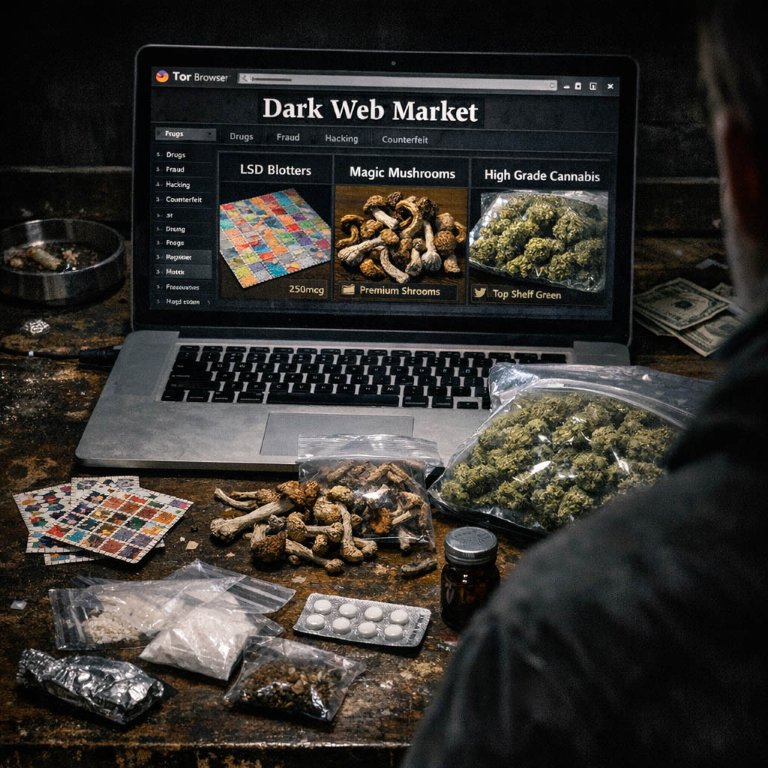
How Darknet Markets Build Trust for Buyers
The foundation of a stable darknet marketplace is its ability to generate and maintain reliable darknet links. These access points are the first critical filter, directing users away from fraudulent mirrors and phishing sites toward legitimate platforms where secure shopping is the operational standard. The persistence of these links, often shared through dedicated forums and link repositories, directly supports market continuity and user confidence.
Once inside a verified marketplace, the economic environment is structured to mirror, and in some aspects improve upon, conventional e-commerce. The mechanism for acquiring verified quality goods is systematic. Vendors build reputations over time, with each transaction contributing to a public feedback score and detailed review system. This transparent record of past performance allows buyers to make informed decisions based on collective experience, not advertisements.
The transaction process itself is secured by standardized escrow systems. Funds are held by the marketplace until the buyer confirms satisfactory receipt of the product, which mitigates the risk of fraud for both parties. This institutionalizes trust, transforming a potentially risky peer-to-peer exchange into a regulated transaction. The combined effect of these systemsreliable access, vendor accountability, and financial securitycreates a predictable and self-regulating economic environment. It reduces uncertainty and fosters repeat business, which is essential for any sustainable commercial ecosystem.
How Darknet Markets Keep Business Running Smoothly
Finding reliable darknet links is the first critical step for secure shopping and accessing verified quality goods. These links, often shared through encrypted channels and dedicated forums, act as gateways to established marketplaces. The process relies on community-driven verification, where experienced users vet and recommend URLs to avoid phishing sites. This collective diligence ensures that new users can connect to genuine platforms where verified quality and transactional security are priorities.
The marketplace model itself is designed for resilience. When one platform is taken offline, its operational framework often re-emerges under a new name and link, a phenomenon known as marketplace migration. This adaptability is powered by several core features:
- Decentralized hosting and listing structures that are difficult to dismantle completely.
- Portable vendor and buyer reputations, allowing trust to transfer between platforms.
- Standardized use of escrow systems and multi-signature transactions, which secure funds until the buyer confirms receipt.
This structure creates a self-reinforcing economic environment. Demand for consistent product quality and safe transactions drives the development of better verification methods. Vendors build their reputation over time through consistent user feedback, which is meticulously recorded on vendor profiles. A seller with a long history of positive reviews for specific substances becomes a trusted source, and the marketplace infrastructure makes this history transparent and accessible. The link to a marketplace is valuable precisely because it provides access to this accumulated economic data, reducing uncertainty for all parties.

How Darknet Markets Meet Demand for Safe, Quality Products
The primary driver for the use of specialized darknet links is a clear market demand for verified quality and transactional safety, which traditional illicit markets fail to provide. Consumers actively seek platforms that standardize these aspects, transforming an otherwise risky endeavor into a more predictable economic activity. This demand is met through a system built on transparency and accountability, absent from street-level dealings.
The process begins with accessing a legitimate marketplace via a reliable darknet link, which serves as a gateway to a structured commercial environment. Here, the mechanisms for ensuring safety and quality are integrated directly into the trade process:
- Vendor verification systems and detailed product listings with laboratory analysis results address the demand for quality assurance.
- Encrypted communication and mandatory escrow services directly respond to the need for security and financial protection.
- The pervasive user feedback and rating system creates a self-regulating community where reputation is capital, incentivizing honest conduct and consistent product quality.
This ecosystem does not eliminate risk but systematically minimizes it through design. The escrow system holds payment until confirmed delivery, protecting the buyer, while the feedback mechanism protects both parties by making poor service or misrepresentation economically unsustainable for the vendor. The resulting environment is resilient because it is user-centric, aligning the economic interests of buyers and sellers with the goals of safety and reliability. Consumer demand for these features validates the model, encouraging marketplaces to compete on trust and service quality, which in turn fosters a more stable and predictable trading landscape.