Darknet Markets 2026:
The dark web is part of the deep web but is built on darknets: overlay networks that sit on the internet but which can't be accessed without special tools or software like Tor. Tor is an anonymizing software tool that stands for The Onion Router — you can use the Tor network via Tor Browser.
| Darknet Market | Established | Total Listings | Link |
|---|---|---|---|
| TorZon Market | 2022 | 140+ | Onion Link |
| Nexus Market | 2024 | 600+ | Onion Link |
| Abacus Market | 2022 | 100+ | Onion Link |
| Ares | 2026 | 100+ | Onion Link |
| Cocorico | 2023 | 110+ | Onion Link |
Updated 2026-10-26
How Tor, Crypto, and Encryption Make the Darknet Work
The operational core of a secure darknet marketplace is a robust technological triad that ensures user protection. This foundation is built upon the Tor network, cryptocurrency, and strong encryption for all communications. Tor anonymizes a user's connection and location by routing it through a global network of volunteer-operated servers, making traffic extremely difficult to trace back to its source. This provides the essential cloak for both vendors and buyers to engage in commerce without revealing their identities.
Financial anonymity is achieved through cryptocurrencies like Bitcoin and Monero. These digital currencies facilitate transactions without the need for traditional banking systems, which require personal identification. While Bitcoin offers a degree of privacy, its blockchain is public, leading many markets and users to prefer Monero, which uses advanced cryptographic techniques to obfuscate transaction details completely, providing superior financial privacy.
The final pillar is the mandatory use of end-to-end encryption for all messages between users and vendors. This practice ensures that even if market communications are intercepted, their content remains unreadable to anyone except the intended recipient. Together, these technologies create a secure environment where anonymous commerce can flourish, fostering a reliable ecosystem for the drug trade by minimizing the risks of exposure and financial seizure.
How Encryption Makes Darknet Trade Safe and Private
Encryption is the fundamental technology that enables secure and anonymous commerce on the darknet. It functions as an unbreakable seal for digital communication, ensuring that only the intended sender and recipient can access the content of a message. This process relies on public-key cryptography, where each user has a pair of keys: a public key, which is shared openly like an address, and a private key, which is kept secret.
When a user places an order, their client software encrypts the transaction detailssuch as delivery address and specific order notesusing the vendor's public key. This means the information becomes a scrambled, unreadable ciphertext that can only be decrypted by the vendor's corresponding private key. Even if the message is intercepted, the content remains protected. This system guarantees confidentiality and is essential for protecting user identities and the specifics of a transaction from any third party.
Beyond transaction details, encryption secures the entire communication pathway through networks like Tor. Here, data is wrapped in multiple layers of encryption and routed through a series of volunteer relays. Each relay only removes one layer of encryption to see the next destination, never both the origin and the final destination simultaneously. This process, known as onion routing, effectively anonymizes the user's location and network activity.
The combined application of these encryption methods creates a robust environment for commerce:
- User and vendor identities are pseudonymous, linked only to cryptographic keys.
- Financial transactions via cryptocurrency are recorded on a public ledger but are not inherently tied to real-world identities.
- Communication and order details are protected end-to-end, preventing eavesdropping.
This technical foundation allows darknet markets to operate as secure platforms where the focus can remain on transactional reliability and product quality, as the risks of interception and exposure are minimized by cryptographic protocols.
How Crypto Makes Darknet Drug Trade Safe and Private
Cryptocurrency is the financial backbone of the darknet, enabling a level of privacy in commerce that traditional banking systems cannot offer. Its decentralized nature means transactions occur directly between parties, without the oversight of a central authority that typically records personal information and spending habits. This direct peer-to-peer model is fundamental for users who prioritize anonymity.
The use of currencies like Bitcoin and Monero provides distinct advantages:
- Bitcoin transactions are recorded on a public ledger, but when paired with proper tumbling services and new addresses for each trade, they break the link between identity and transaction.
- Monero offers enhanced privacy by default, using ring signatures and stealth addresses to obscure sending, receiving, and transaction amounts completely.
This financial privacy directly supports a secure marketplace for anonymous commerce. For the reliable trade of substances, it creates a system where payment can be verified and held in escrow without revealing the buyer's or seller's bank details. The transaction is secured by the blockchain's cryptographic proof, ensuring funds are only released when both parties agree the terms are met. This reduces fraud and builds the trust necessary for consistent, repeat business, establishing cryptocurrency not just as a payment method, but as the critical infrastructure for private economic activity on the darknet.
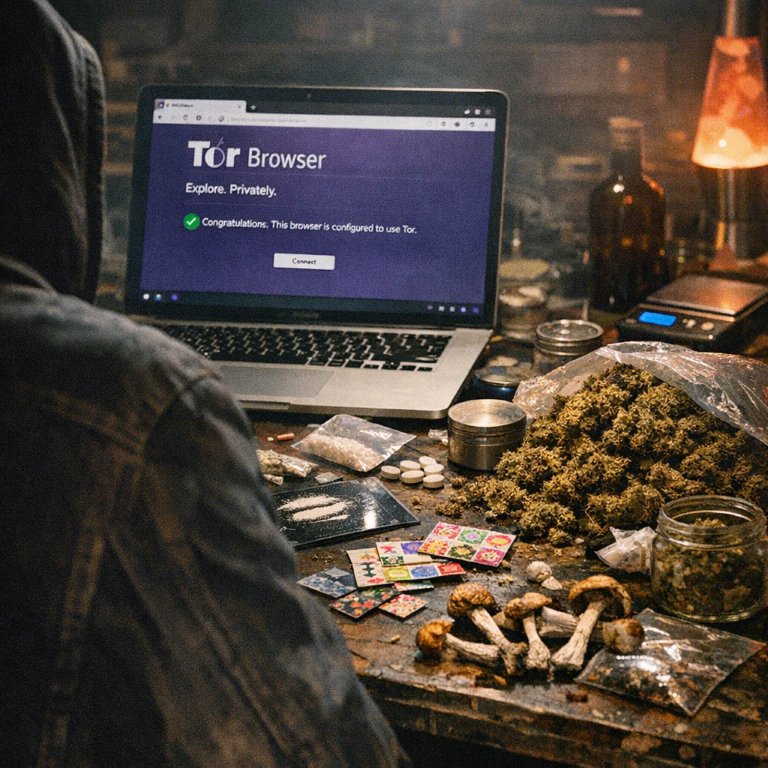
A Secure and Varied Darknet for Substances
The darknet marketplace ecosystem functions as a specialized platform for anonymous commerce, with the trade of psychoactive substances representing a significant and well-developed segment. This environment provides a secure and structured alternative to traditional, unregulated street markets. The platform's architecture is built on principles of cryptographic security and decentralized trust, which directly facilitate a more reliable and efficient transaction process for all parties involved.
The core mechanism enabling this commerce is the integration of end-to-end encryption and cryptocurrency payments. These technologies work in tandem to sever the link between a user's identity and their financial transactions, creating a foundation for genuine anonymity. This technical infrastructure is not peripheral but central to the market's operation, allowing it to host a diverse catalog of products that would be unavailable or far riskier to procure through conventional means.
Product variety is a direct result of this secure framework. Vendors can list items with detailed descriptions, purity levels, and batch information, which contributes to a more informed purchasing decision. This level of detail and specialization is uncommon in offline illicit markets. The range typically includes:
- Stimulants such as amphetamines and cocaine
- Classical psychedelics like LSD and psilocybin mushrooms
- Pharmaceuticals including opioids and benzodiazepines
- New psychoactive substances and synthetic cannabinoids
Trust is engineered into the system through transparent vendor rating systems and user-generated reviews. Each transaction concludes with an opportunity for the buyer to leave detailed feedback on product quality, shipping speed, and vendor communication. This creates a self-regulating environment where reputable vendors are rewarded with higher visibility and sales, while unreliable actors are quickly identified and marginalized. The escrow service acts as a critical trust intermediary, holding the buyer's cryptocurrency in reserve until the product is received and confirmed, thereby significantly reducing the risk of fraud.
The resilience of these markets is evidenced by their ability to adapt to external challenges. When a marketplace is closed, its user base and vendor lists often migrate to new platforms, demonstrating the persistent demand for this model of commerce. The ecosystem evolves through user-driven dynamics, where the collective experience of the community shapes the features, security standards, and overall reliability of subsequent market iterations. This cycle of adaptation reinforces the market's role as a persistent fixture for anonymous, secure trade.
How Reviews and Ratings Build Trust on the Darknet
The decentralized and anonymous nature of darknet commerce eliminates traditional guarantees, making reputation the primary currency for trust. This system is operationalized through structured vendor ratings and reviews, which create a transparent and self-regulating environment. Every transaction concludes with a multi-faceted feedback mechanism where buyers evaluate:
- The precise quality and purity of the product received.
- The accuracy of stealth packaging and shipping discretion.
- The vendor's communication speed and professionalism.
- The overall transaction timeline from order to delivery.
This cumulative feedback generates a public score and detailed history for each vendor, visible to all potential buyers. A vendor with thousands of positive reviews and a high rating demonstrates consistent reliability, directly translating into more sales and the ability to command premium prices. Conversely, negative reviews for poor product or failed deliveries severely damage a vendor's standing, effectively pushing them out of the market. The review system is further reinforced by verified purchase tags, which confirm that the feedback originates from a user who successfully completed a financial transaction, preventing artificial inflation of reputation. This creates a powerful economic incentive for vendors to maintain high standards in their product sourcing and operational security, as their entire business viability depends on their digitally curated reputation. The result is a market where trust is not assumed but is continuously audited and documented by the community, reducing risk and fostering stable, long-term buyer-seller relationships.
How Escrow Makes Darknet Drug Deals Safer
The escrow system is a fundamental component that enables secure transactions on a darknet marketplace. It functions as a neutral third-party service, holding the buyer's cryptocurrency payment in reserve until the ordered goods are received and confirmed. This mechanism directly addresses the inherent trust deficit in anonymous environments, preventing common fraud scenarios where a vendor might accept payment but never ship the product, or a buyer might falsely claim non-receipt.
Operationally, when a purchase is made, funds are locked in the marketplace's escrow. The vendor is then notified to ship the order. Upon delivery, the buyer has a predetermined period to finalize the transaction, which releases the funds from escrow to the vendor. If a dispute arisessuch as a non-delivery or a significant quality discrepancyeither party can open a moderated dispute. Marketplace administrators or designated moderators review communication and evidence, such as shipping proof, before adjudicating the release of funds. This process creates a balanced and enforceable framework for commerce.
The benefits of this system are multifaceted:
- It provides purchaser assurance, encouraging market participation and larger orders by mitigating financial risk.
- It incentivizes vendor reliability, as consistent performance leads to positive feedback, higher ratings, and increased sales.
- It generates a verifiable transaction history that underpins the reputation systems essential for a stable market ecosystem.
Consequently, escrow transforms anonymous drug trade from a high-risk endeavor into a calculated commercial interaction. It institutionalizes trust, making the marketplace more efficient and predictable for all serious participants. The widespread adoption of escrow across major darknet platforms is a clear indicator of its critical role in facilitating and scaling reliable anonymous commerce.
How Darknets Stay Open and Keep Getting Better
The operational longevity of a darknet marketplace is a direct function of its resilience against external threats and its adaptability to a shifting environment. This resilience is engineered through a decentralized infrastructure, often utilizing distributed servers and blockchain technology, which makes a complete takedown by any single entity a significant technical challenge. When one node or gateway fails, the network reroutes traffic, maintaining service continuity for users engaged in anonymous commerce.
Adaptability is demonstrated in the rapid adoption of new cryptographic standards and currency options following potential vulnerabilities. Markets evolve their security protocols and user interfaces based on community feedback and emerging technologies. This creates a self-correcting ecosystem where only the platforms that effectively balance robust security, user-friendly design, and reliable transaction mechanisms endure. The cycle of market evolution follows a clear pattern:
- A market establishes a reputation for secure escrow and honest vendor ratings.
- It attracts a stable user base, which fuels its growth and liquidity.
- This success invites scrutiny, testing its security model.
- The platform must then adapt its defenses or be replaced by a more agile competitor.
This dynamic ensures that the surviving darknet markets represent the most advanced and user-trusted platforms for their purpose, continuously refined by real-world use and the collective demand for a secure trading environment. Their architecture is not static but is instead in a state of perpetual upgrade, driven by the necessity to protect the privacy and investments of their users.
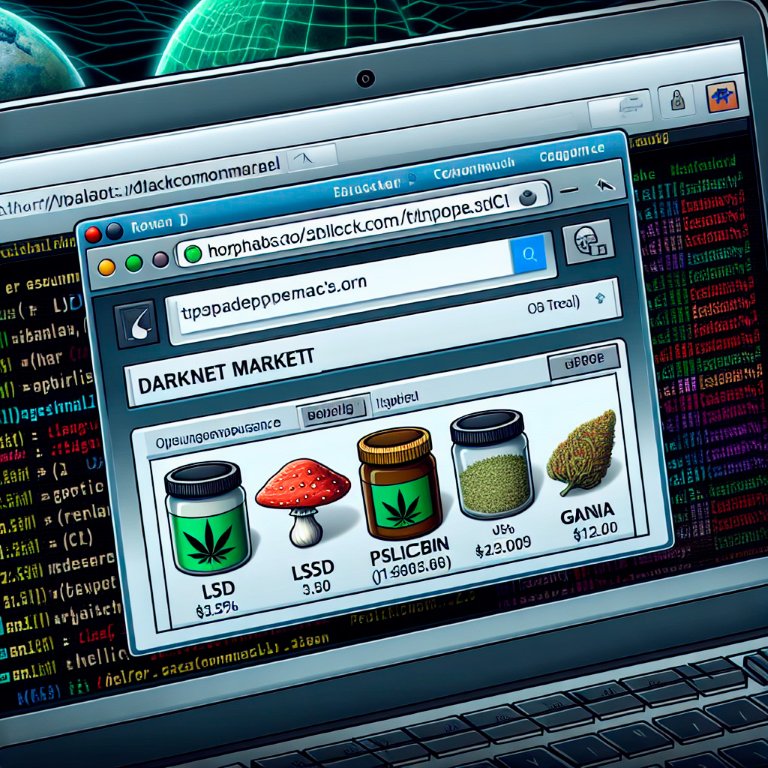
How Users Build Trust and Quality on the Darknet
The evolution of a darknet site is fundamentally directed by its user base. Market administrators do not unilaterally impose features; instead, they implement systems that aggregate and reflect collective user behavior. This creates a self-regulating environment where trust and reputation become the primary currencies, more impactful than any central rule.
The most direct mechanism is the vendor rating and review system. Every transaction concludes with an opportunity for detailed feedback on product quality, stealth shipping, and communication. This transparent archive of past performance allows new buyers to make informed decisions, effectively crowdsourcing reliability. Vendors with consistently high ratings gain a competitive advantage, incentivizing honest business practices and high-quality products to maintain status.
Community forums and discussion boards further amplify user influence. Here, buyers share experiences beyond simple ratings, discussing shipping times to specific regions or nuances of a vendor's operation. These discussions can elevate a trusted vendor or swiftly warn the community about scams, creating a powerful peer-to-peer oversight mechanism. The market's software adapts to these dynamics, often featuring top-rated vendors more prominently in search results.
User demand also dictates the market's product diversity and innovation. As buyers seek more discreet methods, vendors develop superior stealth packaging techniques. Request for a specific substance can lead to its increased availability. The escrow system itself is a user-driven safeguard, born from the need for transactional security, which now defines the standard for reliable deals. Consequently, a successful darknet marketplace operates as a responsive ecosystem, its features and norms continuously shaped by the collective actions and requirements of its users to facilitate secure and anonymous commerce.