Darknet Markets 2026:
The dark web is part of the deep web but is built on darknets: overlay networks that sit on the internet but which can't be accessed without special tools or software like Tor. Tor is an anonymizing software tool that stands for The Onion Router — you can use the Tor network via Tor Browser.
| Darknet Market | Established | Total Listings | Link |
|---|---|---|---|
| TorZon Market | 2022 | 140+ | Onion Link |
| Nexus Market | 2024 | 600+ | Onion Link |
| Abacus Market | 2022 | 100+ | Onion Link |
| Ares | 2026 | 100+ | Onion Link |
| Cocorico | 2023 | 110+ | Onion Link |
Updated 2026-10-26
Safe and Private Shopping on the Darknet
The evolution of darknet markets by 2025 has established a transactional environment where privacy and security are not optional features but foundational standards. This is achieved through the systematic implementation of advanced cryptographic protocols. Transactions are secured using end-to-end encryption and multi-signature escrow systems, which ensure that funds are only released upon the confirmed fulfillment of an order. This technical framework effectively eliminates the risk of fraud from either party, fostering a system of cryptographic trust.
User anonymity is preserved through the mandatory use of privacy-centric networks like Tor or I2P, coupled with decentralized cryptocurrency transactions that obscure financial trails. The market architecture itself is designed to be resilient and non-custodial, meaning the platform never directly holds user funds in a central wallet, significantly reducing the risk of large-scale theft. These integrated measures create a secure ecosystem where the focus shifts from basic safety concerns to the evaluation of product quality and vendor reliability, directly enabling a more stable and predictable trading experience.
Strong Encryption Makes Darnet Drug Trade Safer
The operational security of modern darknet markets relies fundamentally on advanced encryption protocols. These systems ensure that all communications and transactions remain confidential, protecting user identities and financial details from external interception. The implementation of end-to-end encryption (E2EE) for messages and the mandatory use of PGP (Pretty Good Privacy) for sensitive data have become standard, non-negotiable features.
Markets now integrate encryption at multiple layers. Transaction details are secured with cryptographic algorithms that are computationally infeasible to break with current technology. This creates a secure environment where buyers and vendors can interact with a high degree of anonymity. The use of multi-signature escrow services further enhances security by distributing control of funds, requiring more than one private key to authorize a payment and reducing the risk of fraud.
The technical infrastructure itself is designed to resist intrusion. Data is often fragmented and distributed across decentralized nodes, making a complete compromise of the system exceptionally difficult. This focus on robust encryption directly facilitates a more secure and reliable trading platform, allowing participants to engage in transactions with greater confidence in the privacy of their activities.
Easy to Use Sites Keep the Dnet Open for Business
The evolution of darknet markets in 2025 is characterized by a significant shift toward user-centric design. Platforms now feature interfaces that rival mainstream e-commerce sites in their clarity and ease of navigation. This design philosophy removes technical barriers, allowing users to browse product categories, manage orders, and communicate with vendors through intuitive dashboards. The simplification of complex processes like PGP encryption into automated, one-click functions has been a critical development, making secure transactions accessible to a broader audience without compromising security.
Reliable access is maintained through advanced decentralized infrastructure. Markets increasingly operate on peer-to-peer networks or utilize resilient server hosting solutions that are resistant to single points of failure. This architectural shift ensures consistent platform availability, directly addressing the historical issue of sudden shutdowns. Users experience fewer interruptions, which fosters trust and facilitates continuous commerce. The stability of these systems is further supported by robust vendor feedback loops and transparent resolution mechanisms, creating a self-regulating ecosystem where service quality and reliability are paramount for a vendor's success.

More Choices and Better Quality on the Darknet
The evolution of darknet markets by 2025 has directly addressed historical limitations of product scarcity and specialization. Platforms now function as comprehensive digital emporiums, offering an unprecedented range of substances that cater to diverse consumer preferences and requirements. This expansion is not merely quantitative but qualitative, driven by vendor specialization and global supply chain integration.
The inventory available includes:
- Pharmaceutical-grade substances with verified chemical composition.
- Botanicals and traditional plant-based products from specific global regions.
- Research chemicals and novel compounds with detailed pharmacological profiles.
- Custom synthesis offerings for niche demand, facilitated by direct communication channels.
This variety is sustained by a decentralized vendor ecosystem where independent producers compete on product quality and specificity rather than just price. The feedback and rating systems create a self-regulating environment where vendors who consistently offer rare or high-purity products gain reputation and market share. Consumers benefit from direct access to specialized producers, eliminating traditional intermediaries and allowing for a more tailored procurement process. The logistical networks supporting these markets have matured, enabling reliable global distribution that was previously a significant bottleneck. This logistical stability ensures that even rare or region-specific products can reach an international audience, further diversifying the available catalog and fulfilling demand that exists outside localized illicit economies.
Clear Listings and Trusted Reviews for Better Shopping
The operational efficiency of modern darknet markets is fundamentally dependent on the quality of information presented to the buyer. In 2025, detailed listings have become the standard, moving far beyond simple product names. A typical listing now includes comprehensive data sheets specifying exact chemical composition, purity percentages measured by independent testing services, precise weight, high-resolution photographs from multiple angles, and clear information on country of dispatch. This level of detail allows for informed purchasing decisions, directly reducing transactional errors and disputes.
This transparency is reinforced by sophisticated, multi-layered vendor feedback systems. These systems function as a continuous reputation audit. Buyers leave not only a numerical rating but also mandatory structured comments on specific aspects:
- Product accuracy relative to the listing description
- Stealth and professionalism of packaging
- Shipping speed and reliability
- Vendor communication clarity
The aggregation of this data generates a dynamic and reliable trust metric for each vendor. High-performing vendors are algorithmically promoted within marketplace search results, creating a powerful economic incentive for consistent quality and professional conduct. Conversely, vendors with negative trends in feedback are quickly identified by the community, their visibility diminished, which effectively marginalizes poor service. This ecosystem creates a self-regulating environment where quality and reliability are the primary determinants of commercial success, aligning vendor interests with buyer satisfaction and fostering a stable trading platform.

How Decentralized Networks Keep Darknet Markets Running Smoothly
The operational stability of darknet markets in 2025 is fundamentally underpinned by their shift to decentralized network architectures. Unlike earlier centralized platforms that presented a single point of failure, modern systems distribute their infrastructure across a peer-to-peer mesh or utilize blockchain-based hosting. This design eliminates the possibility of a traditional server takedown by any single entity, ensuring continuous platform operation and reliable access for users. The network's resilience is a direct contributor to service stability, which in turn supports consistent transaction completion and vendor-client interactions.
This architectural shift directly enhances transaction security and user privacy. Data and listings are not stored in a central repository vulnerable to seizure but are propagated across the network. Communication occurs through encrypted channels within the decentralized framework, adding an extra layer of protection. For the consumer, this translates to a more secure environment where access to a wider variety of available products is not interrupted by law enforcement actions against a central server. The market's persistence allows for the organic development of detailed vendor feedback systems, which are critical for assessing quality and building trust within the community.
The sustained uptime facilitated by decentralization has a measurable impact on market quality. Reliable platforms enable vendors to maintain long-term storefronts, which incentivizes investment in product consistency and customer service to protect their reputation. Buyers benefit from this through improved product quality and customer satisfaction, as vendors compete on merit within a stable ecosystem. The decentralized model, therefore, creates a self-reinforcing cycle where stability fosters trust, and trust encourages higher standards, shaping a more professional and secure trade environment.
Better Products and Happy Buyers on the Darknet
The evolution of darknet markets has directly addressed historical concerns about product reliability. In 2025, the competitive landscape enforces a vendor reputation system where feedback is transparent and immutable. Buyers consistently rate products based on purity, accurate weight, and delivery success. This creates a powerful economic incentive for vendors to maintain high standards, as poor reviews quickly diminish sales. The result is a market where consistent quality is the norm, not the exception.
Customer satisfaction is further enhanced by professionalized vendor operations. Detailed product listings now include standardized information such as chemical analysis reports from independent testing services, high-resolution photographs, and precise dosage guidelines. Dispute resolution mechanisms, often managed by escrow services, protect buyers from scams, ensuring financial transactions are secure until the product is received and verified. This reduces risk and builds transactional trust between anonymous parties.
The focus on quality extends to the entire user experience. Reliable vendors offer professional customer service, clear communication on shipping times, and discreet, secure packaging that ensures product integrity upon arrival. This operational professionalism minimizes failed transactions and maximizes user satisfaction, fostering repeat business and stable market ecosystems. The 2025 darknet model demonstrates that decentralized commerce can self-regulate through reputation and transparency, leading to predictable and secure outcomes for consumers.
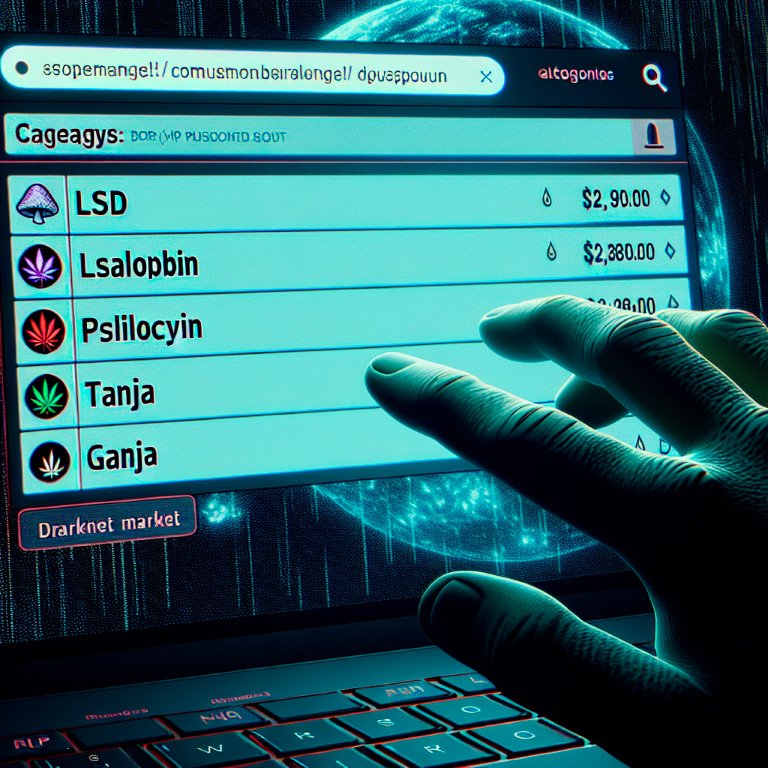
Always-On Darknet Markets for Easy Shopping
The operational model of darknet markets in 2025 prioritizes uninterrupted service and user convenience as foundational principles. This is achieved through decentralized infrastructure, where platform data and access points are distributed across a resilient global network. This architecture makes a complete takedown by any single entity practically impossible, ensuring that services remain available to users around the clock. The result is a stable and reliable trading environment that functions with a predictability akin to conventional e-commerce platforms.
For the buyer, this translates into direct logistical benefits. Market interfaces are designed for intuitive navigation, with streamlined processes for browsing, purchasing, and communication. The continuous uptime means that orders can be placed and managed at any time, without concern for sudden platform disappearance. This reliability is further enhanced by automated systems for escrow and finalizing transactions, which reduce delays and human error. The combination of constant access and user-focused design significantly reduces the friction typically associated with such transactions, making the process efficient and predictable.
The commitment to continuous operation also fosters a healthier vendor ecosystem. Vendors can maintain and update their detailed product listings and manage customer relationships without operational interruptions. This stability encourages long-term business planning and investment in quality control and customer service. Consequently, the market evolves from a transient bazaar into a persistent commercial space where reputation, built through consistent vendor feedback systems, becomes the primary currency. This environment naturally incentivizes higher product standards and professional conduct, as vendors compete for positive reviews and repeat business on a platform that is always open.