Darknet Markets 2026:
The dark web is part of the deep web but is built on darknets: overlay networks that sit on the internet but which can't be accessed without special tools or software like Tor. Tor is an anonymizing software tool that stands for The Onion Router — you can use the Tor network via Tor Browser.
| Darknet Market | Established | Total Listings | Link |
|---|---|---|---|
| TorZon Market | 2022 | 140+ | Onion Link |
| Nexus Market | 2024 | 600+ | Onion Link |
| Abacus Market | 2022 | 100+ | Onion Link |
| Ares | 2026 | 100+ | Onion Link |
| Cocorico | 2023 | 110+ | Onion Link |
Updated 2026-10-26
How Nexus Onion Mirrors Keep the Darknet Marketplace Running Smoothly
The operational continuity of a darknet marketplace like Nexus is fundamentally dependent on its network of onion mirrors. These mirrors are redundant access points that host identical copies of the marketplace. When a primary .onion address is subjected to a DDoS attack or is blocked by an ISP, users can immediately switch to an alternative mirror link. This system of distributed access ensures the platform remains online, directly supporting a steady trade volume and consistent user activity by eliminating single points of failure.
For participants in the secure drug trade, this reliability translates into predictable and efficient transactions. A stable marketplace link allows for:
- Uninterrupted browsing of vendor listings and product availability.
- Consistent communication between buyers and sellers for order finalization.
- Reliable access to escrow services and finalization of deals without time-sensitive disruptions.
The architectural choice to maintain multiple mirrors is a direct investment in security and efficiency. It prevents access bottlenecks and mitigates the impact of targeted network interference. This design ensures that the financial and logistical aspects of trade proceed smoothly, fostering a trusted environment where transactional efficiency is prioritized. The resulting stability is a core benefit for users, providing a dependable platform for commerce.
How Mirror Links Keep Your Darknet Shopping Smooth
The operational resilience of a darknet marketplace like Nexus is fundamentally dependent on its network of onion mirrors. These are alternative, identical URLs that provide access to the same platform when the primary address is blocked or becomes unreachable. This system functions as a direct countermeasure to network-level censorship, ensuring that neither vendors nor buyers face interruption in service.
The mechanism is straightforward: when one .onion link is filtered by an internet service provider or becomes overloaded, users can immediately switch to another verified mirror from the provided list. This creates a redundant access layer that neutralizes simple blocking attempts. For commerce, this continuity is critical. It maintains the steady flow of transactions, supports consistent vendor shopfronts, and allows buyers to reliably source products. The stability afforded by multiple access points directly contributes to market liquidity and user trust.
From a security perspective, the mirror system also distributes user traffic, which can help mitigate denial-of-service attacks. Each mirror operates with the same end-to-end encryption and requires Tor browser access, preserving the foundational security model. The practical outcome is a more robust trading environment where access is predictable, and the logistical framework for trade remains efficiently in place.
How Backup Links Keep a Darknet Market Running Smoothly
The operational continuity of a darknet marketplace like Nexus relies fundamentally on redundant system architecture. This design principle ensures that if one access point, or onion mirror, becomes unreachable due to network congestion, voluntary rotation, or external pressure, multiple alternative links remain active. This network of mirrors functions as a distributed access layer, preventing a single point of failure from disrupting the entire platform.
For users, this redundancy translates directly into consistent and reliable access. A buyer or vendor can maintain their trade activities without significant interruption by simply switching to an alternative verified mirror link. This stability is crucial for building trust within the marketplace ecosystem, as it supports steady communication, timely order fulfillment, and the overall fluidity of economic transactions. The system's resilience underpins a predictable trading environment where logistical agreements can be made with confidence.
The technical implementation involves hosting identical marketplace software across several servers, each with its own unique .onion address. These mirrors are synchronized in real-time to reflect the same product listings, order statuses, and escrow balances. Key components of this redundancy include:
- Geographically dispersed server infrastructure to mitigate localized outages.
- Automated monitoring to quickly retire compromised or dysfunctional mirrors.
- Secure channels for distributing the updated list of active mirrors to the user base.
Consequently, the marketplace's security posture is enhanced alongside its availability. By distributing the user load and entry points, the system becomes more resistant to targeted denial-of-service attacks. This robust framework allows Nexus to provide a secure platform for the drug trade, where the integrity of transactions and the privacy of participants are maintained through engineering rather than a single, vulnerable gateway.
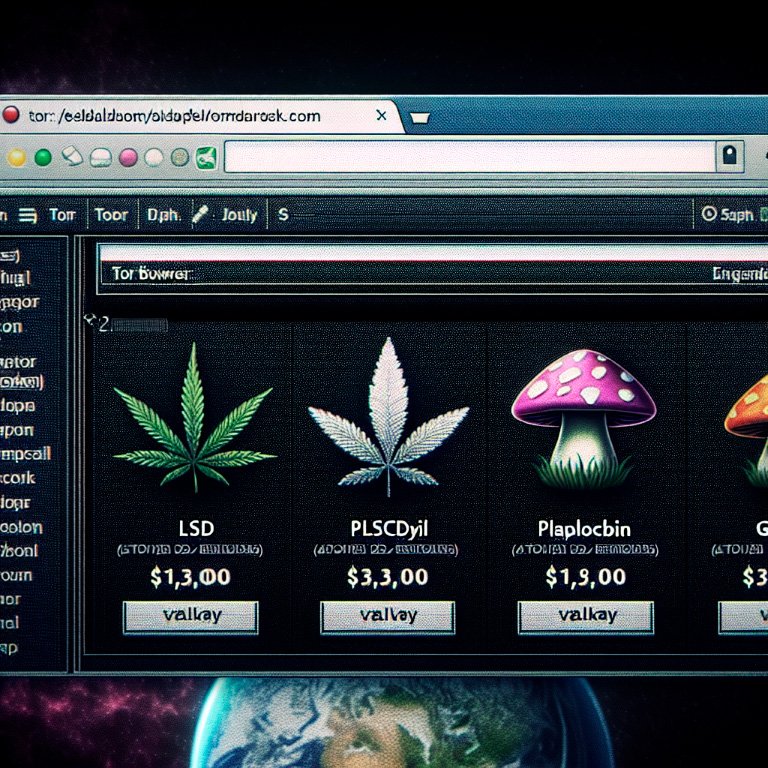
How Stable Access Keeps the Darknet Market Busy and Trading Smooth
Consistent access to the Nexus marketplace via its onion mirrors is a foundational requirement for stable economic activity. When users can reliably connect, it creates a predictable environment for commerce. This reliability directly supports steady trade volumes, as both vendors and buyers can engage in transactions without the disruption caused by inaccessible links or network instability.
The technical design of a redundant mirror system ensures that if one gateway experiences downtime, several others remain operational. This redundancy minimizes service interruption, which is critical for maintaining user trust and platform liquidity. A user's ability to log in, browse listings, and finalize purchases without interruption fosters regular and repeated engagement, reinforcing the marketplace's liquidity and vibrancy.
From a practical standpoint, reliable access translates into operational efficiency for vendors. It allows for:
- Timely order processing and communication with buyers.
- Consistent inventory management and listing updates.
- Predictable revenue streams and business planning.
For the buyer, uninterrupted access means the ability to source products consistently, compare offerings, and build ongoing relationships with trusted vendors. This ecosystem of dependable interaction, supported by the mirror network, reduces friction and encourages the regular user activity that sustains the darknet marketplace as a whole.
How Security Makes Darknet Trade Safe
The operational security of a darknet marketplace is its foundational pillar. For Nexus, this is achieved through a multi-layered approach centered on its onion mirror system. Each mirror is an identical, cryptographically secured access point hosted on the Tor network. This redundancy is not merely for uptime; it is a primary security feature. By distributing access across numerous, frequently rotated .onion URLs, the marketplace mitigates the risk of a single point of failure due to denial-of-service attacks or server seizures. This architecture ensures that the trading environment remains stable and predictable for its users.
User security is further hardened by the mandatory use of the Tor browser, which encrypts traffic and anonymizes location. Transactions are protected by escrow services and exclusively utilize cryptocurrencies like Bitcoin or Monero, adding layers of financial privacy. The marketplace software itself employs end-to-end encryption for all communications between buyers and vendors. This creates a compartmentalized environment where trade can proceed with reduced external risk. The consistent availability via mirrors means users are not forced to seek alternative, less secure platforms, thereby maintaining a higher uniform standard of operational security across all transactions.
The direct result is a secure framework that supports safe commerce. Participants can engage with confidence, knowing that:
- Access is maintained through verified, encrypted mirrors, reducing phishing risks.
- Financial transactions are secured by blockchain technology and escrow.
- Communication and transaction details are protected by strong encryption.

How the dnet's best markets make buying and selling smooth
The architectural foundation of the Nexus platform is built upon a distributed mirror system, which directly underpins transactional efficiency. This network of redundant onion mirrors ensures that buyer and vendor interactions are not interrupted by single points of failure. When one link becomes unreachable, users can immediately switch to another verified mirror, maintaining the continuity of trade. This reliability is not incidental but a core design feature, preventing the lost time and revenue associated with inaccessible markets.
Operational efficiency is further enhanced by the marketplace's standardized procedures. The consistent interface across all mirrors means that users do not need to relearn navigation or transaction steps, reducing friction. The integration of escrow services and multi-signature wallets is streamlined, automating the secure holding and release of funds upon successful fulfillment. This automation minimizes disputes and the need for manual moderator intervention, accelerating the finalization of deals.
Behind the user interface, the system employs optimized data structures and caching for its product listings and vendor profiles. This technical choice ensures that browsing, searching, and loading product pages remain swift even during periods of high traffic, which is common on stable darknet platforms. A fast and responsive site encourages more user activity, directly supporting a higher volume of transactions. The cumulative effect of these design choices is a trading environment where logistical hurdles are minimized, allowing participants to focus on the economic exchange itself, fostering a steady and predictable commercial ecosystem.
How a Stable Darknet Makes Drug Trade Safer and Smoother
A stable darknet marketplace, maintained through reliable Nexus onion mirrors, provides a consistent platform for commerce. This stability directly supports steady trade and user activity by ensuring that both vendors and buyers can access the marketplace without frequent interruptions. Users rely on this consistent access to conduct their transactions within a predictable and secure environment.
The operational continuity afforded by redundant mirror links translates into several practical benefits for the user experience. A constantly available marketplace allows for the development of established vendor reputations, transparent feedback systems, and the routine execution of transactions. This environment fosters trust and efficiency in trade. The design choices that prioritize transaction efficiency and security mean that users can engage in commerce with reduced operational risk and greater confidence in the process.
For participants in the darknet drug trade, this stability is fundamental. It enables:
- Reliable sourcing and supply chains, minimizing market volatility.
- Secure and discreet communication between trading parties.
- The use of established escrow and finalize-early mechanisms that protect both buyer and seller.